MHFA International Summit - Program
The MHFA International Summit program aims to strengthen global collaboration, share knowledge, and support our vision of a world where everyone has the skills and confidence to support those experiencing mental health problems.
Featuring keynote speakers, workshops, panel discussions and research presentations from across the MHFA global network, the program showcases impact, innovation, lived experience, and culturally responsive approaches to mental health first aid.
Explore the full program, speaker lineup, and abstracts as we come together to create circles of safety and support across the globe.
Head to the MHFA International Summit page to see the social activities.
Jump to:
Select the images to jump to the relevant section.

Speakers
Program

Abstracts
Speakers
Guests of Honour

Prof Jo Robinson
Australia
IASP President 2025-2028
Welcome Reception, 13 June 2025
Show More
Jo Robinson is a Professor at Orygen, where she leads the suicide prevention research unit, which is regarded as the leading centre of youth suicide research in the world.
Jo’s work focuses on the development, and rigorous testing, of novel interventions that specifically target at-risk youth across settings, on evidence synthesis, and on the translation of research evidence into practice and policy. Her work has a strong focus on the potential of social media platforms in suicide prevention. This includes the development of the #chatsafe guidelines, the first evidence-based best practice guidelines for safe peer-peer communication about suicide online, which were recently brought to life via a national social media-based suicide prevention campaign that reached over 3 million young people.
Examples of other current projects include the development of a multi-layered and systematic approach to youth suicide prevention across north-west Melbourne, the establishment of a self-harm monitoring program in emergency departments across Victoria, and a large-scale school-based study.
Professor Robinson also has a keen interest in policy development and evaluation and has led the development of two major policy reports and is regularly called upon to provide advice to both state and federal government.

Alexander Grabenhofer-Eggerth
Austria
Public Health Official
Summit, 14 June 2025
Show More
Alexander Grabenhofer-Eggerth is a psychologist and has been working as a research assistant at the GÖG (Gesundheit Österreich GmbH) since 2008.
Prior to that, he worked practically in the field of outpatient psychosocial care and later scientifically and practically in the areas of drug counselling and addiction prevention.
Since 2014 as topic area coordinator and since 2018 as head of the Psychosocial Health Department, his focus at the GÖG has been on process support and strategy development in the areas of suicide prevention, health goal 9 and psychotherapeutic benefits in kind as well as monitoring the care situation.
Alexander Grabenhofer-Eggerth is a member of the Advisory Board for Mental Health at the Federal Ministry of Labour, Social Affairs, Health, Care and Consumer Protection and one of the heads of the Public Mental Health Competence Group of the ÖGPH (Austrian Society for Public Health).

His Excellency Ian Biggs
Australia/Austria
Australian Ambassador to Austria
Gala Dinner, 15 June 2025
Show More
Australian Ambassador to Austria, Bosnia and Herzegovina, Hungary, Slovenia and the Slovak Republic
Mr Ian Biggs is the Australian Ambassador to Austria, Bosnia and Herzegovina, Hungary, Slovenia and the Slovak Republic. Mr Biggs is Australia’s Resident Representative and Governor to the Board of Governors of the International Atomic Energy Agency (IAEA), and Australia’s Permanent Representative to the United Nations in Vienna, as well as to the Comprehensive Test Ban Treaty Organisation (CTBTO) Preparatory Commission.
Mr Biggs is a senior career officer with the Department of Foreign Affairs and Trade and was most recently Ambassador for Arms Control and Counter-Proliferation. He has previously served overseas as Ambassador to Iran, Türkiye and Saudi Arabia, as Deputy Head of Mission in India, Austria and Syria, and as Special Assistant to the IAEA Director General.
Mr Biggs holds a Masters in International Relations from the Australian National University and a Bachelor of Arts (Honours) from the University of Sydney. He speaks Arabic.
Summit Speakers
The summit invites partner organisations to attend:

Lynette Anderson
Australia
Mental Health First Aid Australia
Show More
Instructor Delivery and Quality Manager – Aboriginal and Torres Strait Islander MHFA Programs
Lynette Anderson is of Aboriginal background, a proud Waanyi Woman whose ancestorial lands are on the lower Gulf of Carpentaria, Queensland through to Barkly Tablelands in the Northern Territory. Lynette works for Mental Health First Aid International within the Aboriginal and Torres Strait Islander Programs Team as the Manager, Instructor Delivery and Quality. She has worked in Aboriginal and Torres Strait Islander health for 30 years as a First Nations Health Worker and Manager. Many of those years have included working in the Mental Health Alcohol and Other Drugs Services space.

Michal Bača
Slovakia
League for Mental Health
Show More
Michal Bača accomplished his Master’s degree in psychology in 1999 and dedicated the first few years of his career to the treatment and rehabilitation of young people with addiction, working primarily in a closed community in Bratislava. Following this period, he transitioned into the international commercial sector, where he spent 20 years in a range of leadership and development roles within dynamic, multinational business environments. A key highlight of this time was his work as a Training and Development Manager, where he focused on the growth and development of employees and leaders, covering topics such as leadership, talent management, organisational culture, and employee engagement.
In 2021, he returned to psychology and psychotherapy, joining his wife in her private clinical practice. He is currently completing his training in Cognitive Behavioural Therapy (CBT). Michal also leads the adaptation of Mental Health First Aid (MHFA) in Slovakia, a role that brings together his expertise in mental health and his background in training design and delivery.
He is a father of three and an enthusiastic long-distance runner.

Dr Jakqui Barnfield
Australia
Mental Health First Aid International
Show More
Executive Director, International Programs, Quality and Research, Mental Health First Aid International
RN, BN, Grad Cert PsyNsg (Prac), MhltSci (Nsg), MSuicidology, Dip Leadership & Management, PhD, AltMBA, Ad Dip Neuroscience of Leadership, FACMHN, GAICD
As the Executive Director, International Programs, Quality and Research, Jakqui provides leadership to the research, curriculum, quality and international secretariat teams to support and develop high-quality, evidence-based MHFA programs in Australia and internationally across 30 countries.
With more than 20 years of experience in senior mental health, nursing and operations roles, Jakqui has worked in tertiary and primary health services, the community and university sectors, and digital mental health. She serves as a member of a university human research ethics committee as a subject matter expert and as a member of a committee of management of a Bush Nursing Service. Her expertise spans clinical governance, digital mental health service delivery, corporate governance, and transformational leadership.
As a mental health nurse and passionate advocate for mental health and wellbeing, Jakqui believes in the premise that mental health education and training hold the key to connected and healthy communities.
Marc Bryant
Australia
Mental Health First Aid International
Show More
Executive Director, Strategic Relationships and Advocacy, Mental Health First Aid International
As the Executive Director, Strategic Relationships and Advocacy, Marc works closely with teams across MHFAI to strengthen partnerships and collaboration, increase fundraising and philanthropy, expand program impact and reach, and advocate for the inclusion of MHFA in government policies, strategies and funding.
Marc brings to MHFAI more than 20 years’ experience in national and global leadership roles. He is passionate about mental health promotion and suicide prevention, and has lived experience of mental ill-health, both individually and as a carer.
Marc previously served as Director of Suicide Prevention at leading global suicide prevention agency LivingWorks for four years, where he led business development, partnerships, and advocacy across Asia Pacific and Europe.
Prior to this, he spent more than a decade as part of the Everymind executive team, overseeing the Mindframe media and communications training and education program. In this role, Marc led the development of the world’s first guidelines for alcohol and other drugs (AOD), the establishment of the national Life in Mind digital gateway, and the redevelopment of the Communications Charter. He has also held senior roles for SA Health, National Health Service, and in print UK journalism.
Marc has held numerous advisory group memberships, and is currently serving on the META Australia Industry Safety Advisory Group, as Co-chair of the International Association Suicide Prevention (IASP) training and education special interest group, and as a member of the RUOK? Conversation Think Tank. Marc holds memberships with international and national peaks bodies of the International Association for Suicide Prevention (IASP), Mental Health Australia and Suicide Prevention Australia.
Sarah Lee Christensen
New Zealand
Te Pou
Show More
Programme Manager, Mental Health First Aid (MHFA) Aotearoa
Sarah Christensen is the Programme Manager for Mental Health First Aid (MHFA) Aotearoa, where she leads efforts to enhance mental health literacy and reduce stigma across New Zealand. With a background in nursing and a Master of Professional Practice, Sarah brings a wealth of knowledge and experience to her role.
Sarah oversees the quality, fidelity and delivery of the MHFA Aotearoa programmes and leads adaption and development work for new versions. Currently, Aotearoa New Zealand offers the Standard, Workplace, Refresher, and Youth MHFA courses, with the Senior Teen MHFA programme currently being piloted within local high schools.
Sarah and the MHFA Aotearoa team believe in the MHFA International tagline “For anyone. For Everyone”, and the Aotearoa community of accredited instructors have created a goal of 100,000 MHFAiders in 10 years.
Sarah is excited to be supported by Te Pou, the licence holder of MHFA Aotearoa, to attend the MHFA International summit, and looks forward to connecting, sharing and learning from all international MHFA partners.

Angus (Gus) Clelland
Australia
Mental Health First Aid International
Show More
Chief Executive Officer
FCG, FGIA GAICD
BEc (ANU), BSc (Monash), Grad Dip AppCorpGov (GIA), Grad Dip Legal Studies (UC), MBA (ANU), MDefStud (ADFA-UNSW)
Angus is an experienced CEO with diverse senior executive experience across the federal government, health, family violence, community and disability sectors. His strength lies in using his strong stakeholder and change management skills to bring together diverse and often competing groups within complex organisations and across sectors to achieve better service outcomes.
In his most recent role as CEO of On the Line Australia, the clinical service provider of Mensline, National Suicide Service, and Suicide Line Victoria, Angus initiated and facilitated the merger between the organisation with community crisis support leader Lifeline Australia. He previously served as CEO of sector peak body Mental Health Victoria, where he successfully advocated for a Royal Commission in Victoria’s mental health system that has so far seen $6 billion invested into reform initiatives.
Angus has held numerous governance and advisory roles. He is currently a director of the Mental Health Legal Centre and the Victorian Government Regional Mental Health & Wellbeing Board member. He is a Fellow of the Governance Institute of Australia, Fellow of the Chartered Governance Institute UK, and Member and Graduate of the Australian Institute of Company Directors.

Farah Dahabi
UAE
Light House Arabia
Show More
Director of Crisis & Trauma Support Services
Farah Dahabi is the Director of Crisis & Trauma Support Services at The Lighthouse Arabia, where she leads with deep expertise in emotional intelligence and trauma-informed care. She directed Mental Health First Aid UAE for 7 years and continues to support the program at The Lighthouse Arabia.
A licensed clinical social worker by training, Farah has developed and delivered pioneering mental health programs for first responders – including the Police – equipping them to manage crises with resilience, empathy, and clarity. Farah is a trusted voice in mental health education and advocacy, frequently featured in print and broadcast media across the region. Farah has become a leading figure in the field of trauma response and emotional intelligence training in the UAE and beyond.

Tramaine EL-Amin
USA
National Council for Mental Wellbeing
Show More
Vice President, Mental Health First Aid
Tramaine EL-Amin is a mental health equity advocate and social impact executive currently serving as vice president of Mental Health First Aid USA® at the National Council for Mental Wellbeing in Washington, D.C. In this role, she oversees the development and implementation of wellbeing programs for the public and private sectors while advancing mission-driven business growth. As a certified national trainer, Tramaine has contributed to more than 4 million individuals being equipped to recognize signs and symptoms related to mental health, substance use and suicide across the country.
An in-demand subject matter expert, Tramaine speaks on topics ranging from workplace wellness, nonprofit leadership, health equity and the impact of community mental health education. Her expert commentary has been featured in major news outlets including NBC News, Washington Post, USA Today and Good Day LA. Tramaine has also been a featured panellist at events including the International Women’s Day Forum, hosted by the U.S. Chamber of Commerce, the Kate Spade New York Global Summit on Women’s Mental Health, the Rare Beauty Mental Health Summit, Big Brothers Big Sisters of America Youth Protection Summit and the AIM Youth Mental Health Symposium.
Prior to her tenure at the National Council, Tramaine oversaw health equity initiatives at the City of Philadelphia Department of Behavioural Health and Intellectual disability Services (DBHIDS). Her efforts focused on community engagement, legislative change management, and a strategic approach to addressing public mental health disparities for more than 1.5 million youth and adults throughout Philadelphia.

Isabelle Enge
Germany
Central Institute of Mental Health, Mannheim
Show More
PhD Student/Researcher
Central Institute of Mental Health, Department of Public Mental Health, Medical Faculty Mannheim, Heidelberg University, Mannheim, Germany
Isabelle Engel currently works as a researcher at the Central Institute for Mental Health in Mannheim, Germany. She is part of the team conducting the EMERALD cluster-randomized controlled trial, which evaluates the effectiveness of Mental Health First Aid (MHFA) training in improving mental health literacy and explores its impact on recipients. Her work includes study design, implementation, and conducting both quantitative and qualitative analyses within the trial. Beyond MHFA, she is passionate about the intersection of research and policy and co-authored a policy paper on public mental health for the newly elected German parliament.
Gwen Goddard-Williams
Wales

Eric Gronke
Canada
Opening Minds

Simon Hammes
Germany
Central Institute of Mental Health, Mannheim
Show More
PhD Student/Researcher
Central Institute of Mental Health, Department of Public Mental Health, Medical Faculty Mannheim, Heidelberg University, Mannheim, Germany
Simon Hammes is a researcher at the Central Institute of Mental Health (CIMH) in Mannheim, Germany. He currently is part of the study team conducting the EMERALD cluster-randomized controlled trial, which aims to evaluate the effectiveness of the Mental Health First Aid (MHFA) training in Germany and to quantify the effects of help provided on recipients. With a background in health service research and implementation science he is passionate about the potential of the MHFA-training for the general population and the qualitative analyses conducted within the EMERALD-trial.
Romina Holzmann-Schöpf
Austria
pro mente
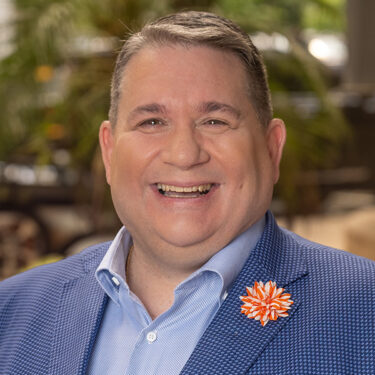
Chuck Ingoglia
USA
National Council for Mental Wellbeing
Show More
President and CEO
MSW
As president and CEO of the National Council for Mental Wellbeing, Chuck Ingoglia leads the national charge to ensure people living with mental illness and addictions have access to comprehensive, high-quality care that affords every opportunity for recovery. To accomplish this, he harnesses the voices and support of the more than 3,000 National Council members who serve over 10 million individuals nationwide.
Prior to being named president and CEO, Chuck led the National Council’s policy and practice improvement work, directing the organization’s federal and state policy efforts and overseeing trainings and programs offered to more than 500,000 behavioral health professionals across the U.S.
Chuck draws from personal experience and a deep knowledge of the field acquired from more than 26 years’ professional experience to provide services, including site-of-service technical assistance, to members. He effects change at both the national and state level by playing a major role in policy advocacy and analyses on issues relevant to behavioral health. His efforts center on key issues such as parity, health care reform and improving access to behavioral health treatment in communities.
Before joining the National Council, Chuck provided policy and program design guidance to the Center for Mental Health Services at the Substance Abuse and Mental Health Services Administration under the U.S. Department of Health and Human Services. Earlier in his career, he directed state government relations and service system improvement projects for the National Mental Health Association (now Mental Health America), performed policy analysis for the National Association of Social Workers and designed educational programs for mental health and addictions professionals for the Association of Ambulatory Behavioral Healthcare. He has also served as an adjunct faculty member of the George Washington University Graduate School of Political Management.
Chuck holds a Master of Social Work and a Bachelor of Arts in Social Work, both from The Catholic University of America.

Stuart Katz
Israel
Mental Health First Aid Israel and OGEN – Advancement of Mental Health Awareness
Show More
Chairman of Mental Health First Aid Israel and OGEN – Advancement of Mental Health Awareness in Israel
PsyD, MPH, MBA
Dr. Stuart Katz is a respected global leader in the Jewish community, a mental health advocate, and a pioneer in the intersection of wellness, resilience, and communal healing. With over 35 years of experience creating Jewish travel programs in more than 115 countries, Stuart blends cultural understanding with deep compassion and purpose-driven leadership.
He is the Chairman of Mental Health First Aid Israel and OGEN – Advancement of Mental Health Awareness in Israel. Since October 7th, Stuart has been actively supporting communities in Israel’s south, helping to address trauma and promote suicide prevention among individuals and families directly affected by conflict.
Stuart is also the founder of BrightPath, a concierge mental health navigation service that offers
compassionate guidance to families facing mental health crises. BrightPath connects individuals with the right residential treatment providers and clinical resources, empowering families to move forward with dignity, hope, and confidence.
He has co-founded Nafshenu Alenu, a Jewish mental health educational initiative, and serves on the Board of Visitors at McLean Hospital, affiliated with Harvard Medical School. He is also the creator of “Travel Therapy”, a therapeutic model combining meaningful travel with mental well-being.
An engaging global speaker and author, Stuart is currently leading cohort-based MHFA training programs for trauma-affected populations in Israel—an approach that proves both healing and empowering. Whether on the front lines or global stages, Stuart brings a message of resilience, compassion, and possibility to every audience he meets.

Günter Klug
Austria
pro mente
A Prof Amy Morgan
Australia
University of Melbourne
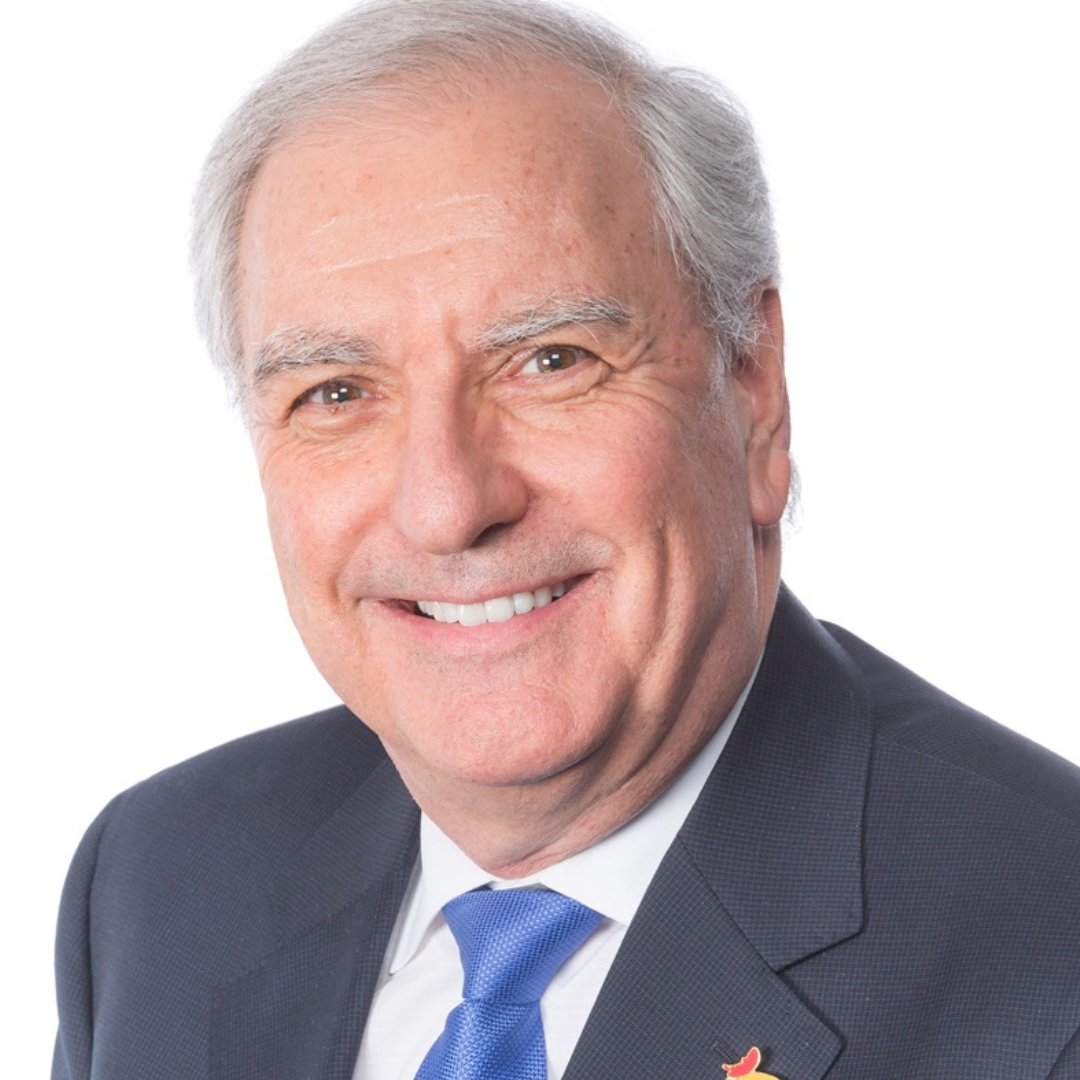
Micheal Pietrus
Canada
Opening Minds
Prof Nicola Reavley
Australia
University of Melbourne

Nicole Richardson
Australia
Mental Health First Aid International
Show More
Communications Manager
With a decade of experience spanning the arts, higher education and not-for-profit sectors, Nicole is a communications specialist passionate about making a difference through impactful storytelling and strategic communications.
Prior to joining Mental Health First Aid International in January 2023, she led the Marketing and Communications team at ministerial not-for-profit Education Services Australia. In this role, she oversaw the marketing and communications strategies for the corporate brand and a suite of 12 educational platforms, to enhance the organisation’s outreach and impact.
In her role as Communications Manager, Nicole channels her passion for mental health advocacy into crafting communications that raise awareness, educate and inspire action, while supporting best practice in accessibility, inclusive writing and user experience. Through her work, she is dedicated to breaking down stigma, promoting mental health, and empowering individuals to make a difference in the lives of those around them.

Stephanie Rochedix
France
PSSM France
Show More
For nearly 20 years, Stéphanie Rochedix has worked as a communications professional.
Over the past three years, she has dedicated her expertise to advancing mental health awareness through her work with the international Mental Health First Aid program, which spans 34 countries and has trained over 8 million people worldwide.
At the heart of her mission is the promotion and growth of PSSM France and PSSM Formation. With the support of three collaborators under her supervision, Stéphanie focuses on increasing awareness of the MHFA program, encouraging future Mental Health First Aiders, and engaging the vibrant community of trainers, instructors, and certified responders — currently numbering 23 trainers, 2,000 instructors, and over 200,000 certified individuals across France.

Erinda Shah
India
MHFA India
Show More
Erinda Shah, an Albanian national, has dedicated her life to transforming mental health and social welfare systems. In June 2019 (15 years ago), she arrived in India with a vision — to build a more inclusive, compassionate society where mental health and child welfare receive the attention they deserve.
Erindah proactively offered her knowledge to a local NGO with a focus on children. During the Tamil Nadu Flood, Erinda worked closely with impacted communities to provide support, ensuring humanitarian aid reached the most vulnerable.
Her deep commitment to child protection and social policy led her to work extensively with UNICEF Tamil Nadu & Kerala, where she played a pivotal role in shaping child-sensitive social protection frameworks. She was instrumental in mapping child welfare systems and influencing the State Action Plan for Children in Tamil Nadu, advocating for policies that prioritise the well-being of marginalised children.
As a Technical Consultant for UNICEF, she conducted groundbreaking research on residential homes for children, ensuring the development of minimum service standards to protect their rights.
Beyond policy and research, Erinda is a powerful voice in the field of mental health. She founded Mental Health First Aid India (MHFA India). She holds the position of Managing Director at Mental Health First Aid India.
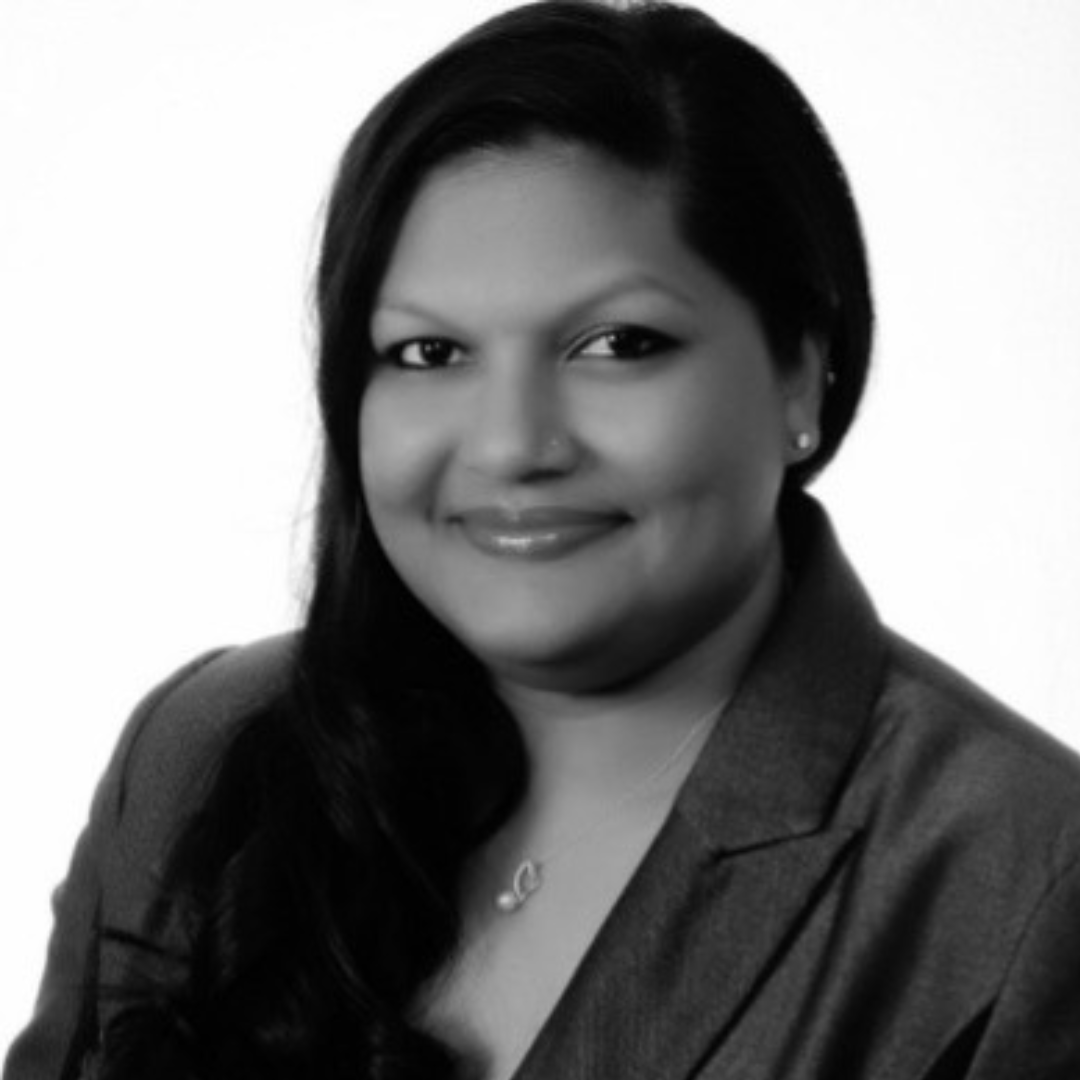
Risha Sookoo
Bermuda
Show More
Clinical Educator Behavioural Health, Bermuda Hospitals Board, Bermuda
MSHE, BSN, RMN
Risha Sookoo is a seasoned Registered Psychiatric Nurse with over 15 years of dedicated experience in mental health care. She holds a master’s degree in health education and currently serves as a Clinical Educator in Bermuda, where she plays a pivotal role in advancing mental health awareness and professional development across the healthcare system.
Throughout her career, Risha has been committed to providing compassionate and evidence-based support to individuals living with psychiatric conditions. Her expertise spans a broad spectrum of mental health challenges, and she has been instrumental in designing and delivering educational programs for both healthcare professionals and community members.
A certified Mental Health First Aid (MHFA) instructor for the past six years, Risha has trained countless individuals to recognize and respond effectively to mental health crises, promoting early intervention and reducing stigma.
Risha’s approach is grounded in cultural competence, recognizing and addressing the unique needs of Bermuda’s diverse population. Her work extends beyond the clinical setting into community outreach initiatives aimed at destigmatizing mental illness and fostering emotional resilience.
With a calm presence and a commitment to lifelong learning, Risha continues to be a leading advocate and educator, shaping a more inclusive and trauma-informed mental health landscape in Bermuda.
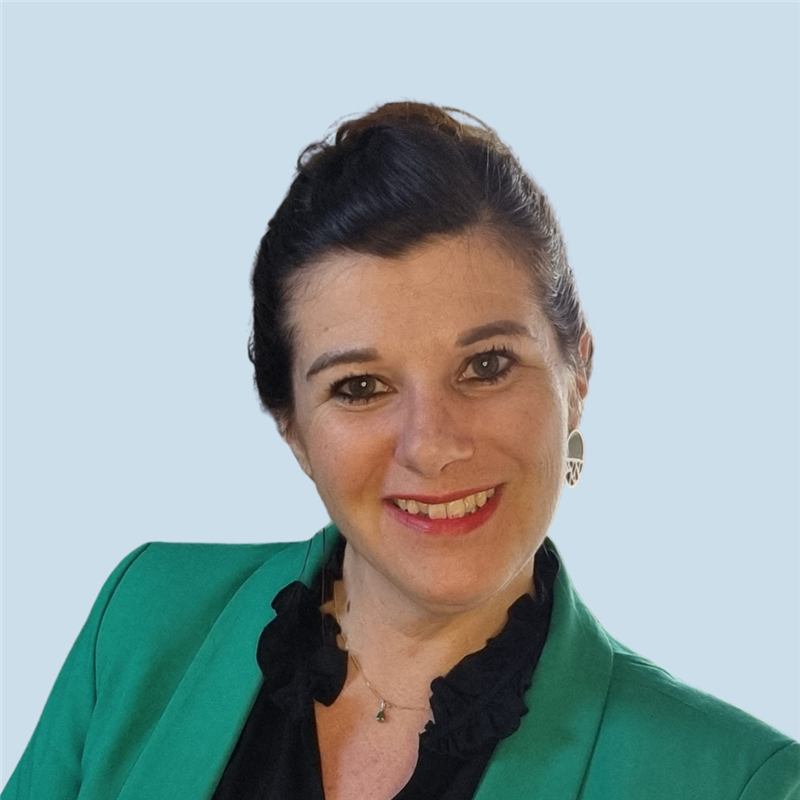
Virginie Thouret
France
PSSM France
Show More
Executive Director, PSSM France
Virginie Thouret has over 15 years of experience in human resources. She founded a training organizationspecializing in skills assessments, the recognition of prior learning (VAE), and academic and career guidance. For five years, she led a team of 22 independent consultants.
Seeking to contribute to a mission greater than what she could achieve independently and to take part in shared leadership, Virginie found a natural alignment with the international MHFA (Mental Health First Aid) program.
For the past two years, she has been serving as Executive Director of PSSM France, where she also co-chairs the Board of Directors. She works closely with an operational team of 23 people, including collaborators specialised in pedagogy, quality assurance, vocational training, and communication — ensuring the program’s development is both strategic and impactful.

Ebony Whitehouse
Australia
Mental Health First Aid Australia
Show More
Executive Director, Australia Operations
Ebony Whitehouse as the Executive Director, Australia Operations at Mental Health First Aid International, provides leadership to each of the teams that are responsible for developing, maintaining, and supporting quality standards for the delivery of the Mental Health First Aid Australia Program.
With over 15 years’ experience in leading both face to face and remote teams, Ebony uses clear and effective communication to build positive relationships and produce strong results. Passionate about education, Ebony is skilled in using feedback to innovate, coach staff, engage stakeholders and develop capacity within teams to ensure best practice delivery to meet learning outcomes. As a natural problem solver, Ebony thinks strategically, with empathy to ensure there is a key purpose behind all decision making.
Before commencing in her role at Mental Health First Aid in January 2022, Ebony led and directed the overall management, development, and direction of the National Education Portfolio at Swinburne Online, a partner for Online Education Services.
Ebony is passionate about strengthening relationships between Aboriginal and Torres Strait Islander peoples and non-Indigenous peoples, to bridge the gaps in life outcomes, and more specifically mental health awareness and support.
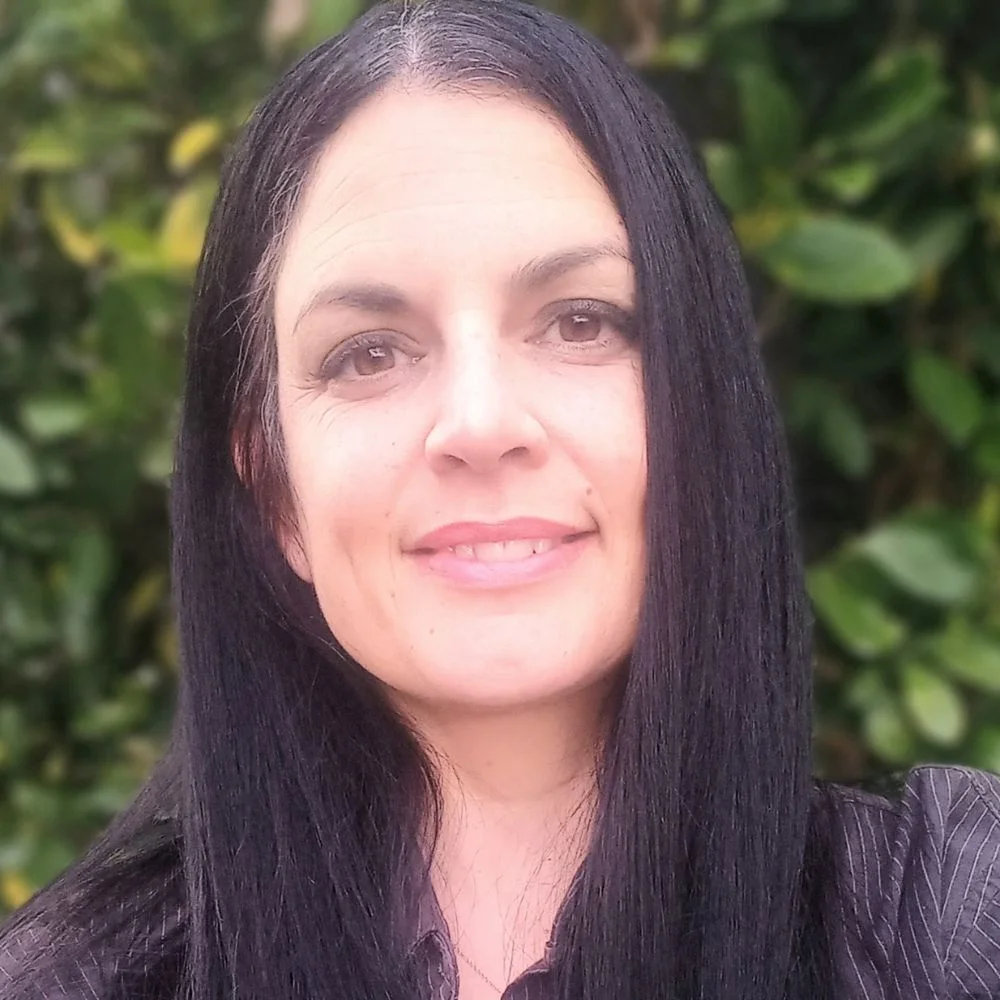
Dr Anat Wilson
Australia
Mental Health First Aid International
Show More
Research Manager
BA, Grad Dip Education, Post Grad Dip, PhD
Dr Anat Wilson is the Research Manager at Mental Health First Aid International. After completing her PhD, Anat held leading roles in the tertiary sector, with a strong focus on quality in leadership, research and education.
A recipient of several academic awards, she has led national evaluation studies for industry and government. Anat is passionate about developing research capacity that amplifies the voices of people with lived experience. She is committed to evidence-based advancement of knowledge that improves the lives of individuals and communities.
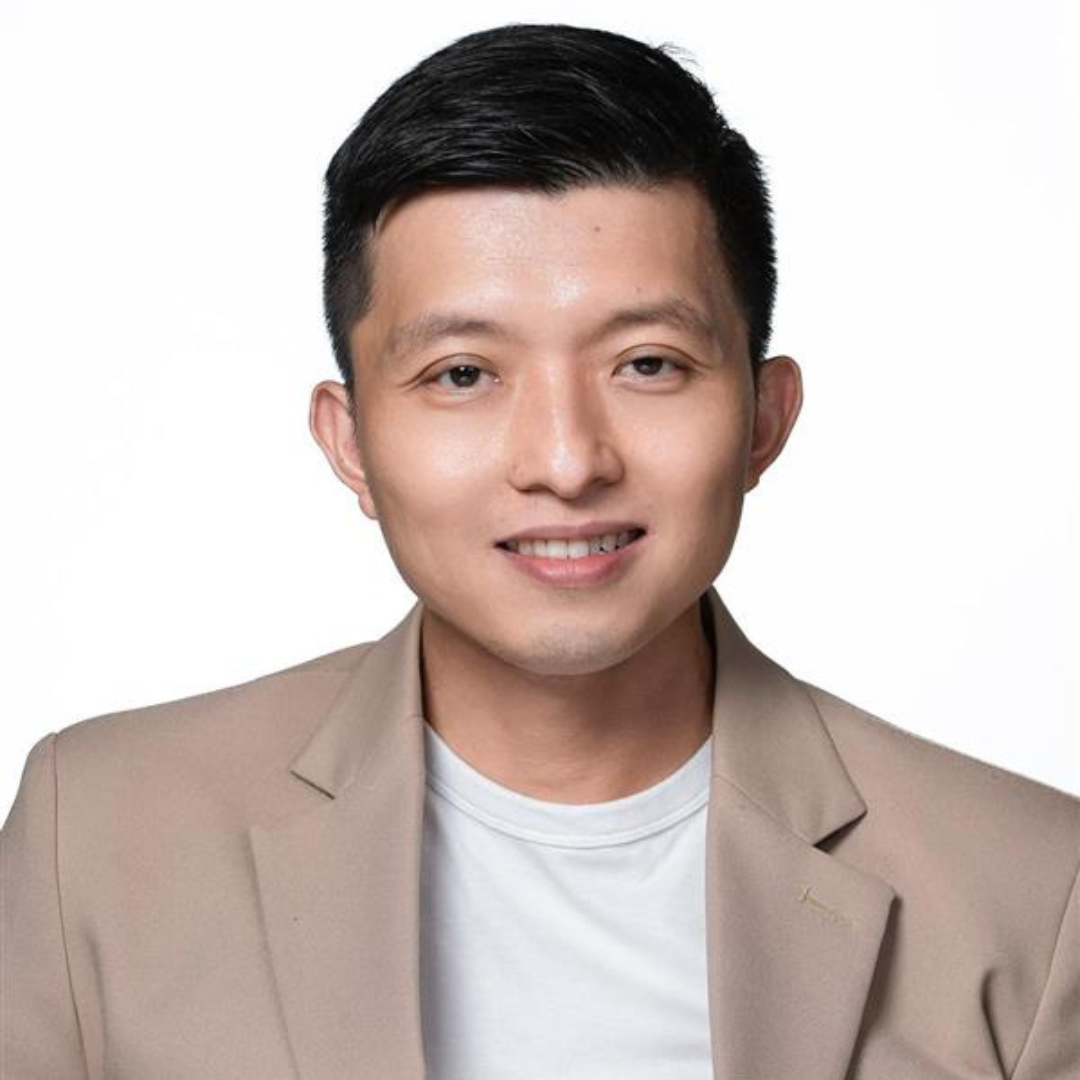
Dan Yu
Hong Kong
Mental Health Association of Hong Kong, Hong Kong
Show More
Mr. Yu Kin Sun, Dan, is a registered Social Worker and a certified Social Work Supervisor. With over 20 years of experience in the mental health field of social services, Mr. Yu is now the Chief Officer of the Mental Health Association of Hong Kong. He is dedicated to promoting the message of mental health awareness, drawing upon his clinical and service expertise, and nurturing the next generation of social workers in mental health services.
Additionally, he is a certified Master Instructor and Programme Coordinator for Mental Health First Aid in Hong Kong. With 17 years of diverse teaching experience, he is responsible for developing various versions of the Mental Health First Aid Course and training course instructors. Mr. Yu has conducted the MHFA course in Cantonese, English, and Mandarin for a wide range of audiences, including universities, training institutes (such as The University of Hong Kong, the Chinese University of Hong Kong, and Mind HK), and various international corporations (such as Marsh HK and China, Cathay Pacific, Bupa Insurance Company in Hong Kong, Lendlease in Shanghai, Craig Shipping Limited in Shanghai, Shanghai Mental Health Centre, and Duke Kunshan University).
Program
We are pleased to share with you our program for the 2025 International Summit:
Saturday 14 June
9:00 AM
Registration Opens – Coffee & Connect
9:30 AM
Welcome Address
Albert Hall
10:00 AM
Guest of Honour
Albert Hall
Mag. Alexander Grabenhofer-Eggerth
Austrian National Public Health Institute (Gesundheit Österreich GmbH, GÖG)
10:10 AM
Keynote Presentation
Albert Hall
A 20-Year Journey – The Development of the MHFA in Hong Kong
Dan Yu (Hong Kong)
10:30 AM
Presentation Showcase – Research and Evaluation
Albert Hall
Is There Evidence? What is the Evidence? Unpacking Measures of MHFA Impact
Dr Anat Wilson (MHFAI)
The Mental Health Support Scale (MHSS)
A Prof Amy Morgan (University of Melbourne)
Assessing the Effect of MHFA on Trainees and Recipients of Support in Germany
Isabelle Enge and Simon Hammes (Central Institute of Mental Health, Mannheim)
11:30 AM
Breakout 1
Research
Research and Evaluation Framework & Evaluation Research International Committee
- Dr Anat Wilson (MHFAI)
- Professor Nicola Reavley (UoM)
Breakout 2
Community
Engaging and Supporting MHFAiders
- Stephanie Rochedix (France)
- Dan Yu (Hong Kong)
- Gwen Goddard-Williams (Wales)
Breakout 3
Operations
Operating Models
- Ebony Whitehouse (Australia)
- Virginie Thouret (France)
- Erinda Shah (India)
12:30 PM
Lunch
1:30 PM
Quality – Presentation & Workshops
Albert Hall
Quality Frameworks: Where We’re Headed
Dr Jakqui Barnfield (MHFAI)
Followed by breakout room workshops before returning to Albert Hall for closing discussion
Quality Breakout 1
Instructor Training, Delivery and Fidelity
- Dr Anat Wilson (MHFAI)
- Dr Jakqui Barnfield (MHFAI)
Quality Breakout 2
Business & Product Development
- Marc Bryant (MHFAI)
- Ebony Whitehouse (Australia)
2:50 PM
Afternoon Tea
3:10 PM
Breakout 1
Research
Amplifying Unique Voices
- Dr Anat Wilson (MHFAI)
- Dr Jakqui Barnfield (MHFAI)
Breakout 2
Community
Advocacy Matters
- Marc Bryant (MHFAI)
- Chuck Ingoglia (USA)
- Farah Dahabi (UAE)
Breakout 3
Operations
Delivering MHFA for Priority Populations
- Sarah Lee Christensen (NZ)
- Micheal Pietrus (Canada)
- Ebony Whitehouse & Lynette Anderson (Australia)
4:10 PM
Presentation Showcase – Building the MHFA Movement
Albert Hall
Scaling MHFA – Lessons from MHFA USA’s Success in Training 4 Million MHFAiders
Chuck Ingoglia and Tramaine EL-Amin (USA)
MHFA Canada – Building a Sustainable Social Enterprise for Lasting Impact
Eric Gronke (Canada)
Growing MHFA in Slovakia and Around
Michal Bača (Slovakia)
5:00 PM
Reflections –
Albert Hall
5:10 PM
End of Day 1
Sunday 15 June
9:00 AM
Welcome to Day 2
Albert Hall
9:10 AM
Workshop
Albert Hall
The future of Mental Health First Aid International Governance
Angus Clelland and Dr Jakqui Barnfield (MHFAI)
10:20 AM
Morning Tea
10:50 AM
Keynote Presentation
Albert Hall
Multinational Engagement
Dr Jakqui Barnfield (MHFAI)
11:20 AM
Innovation Showcase
Albert Hall
AI Chatbot Using LLM
Prof Nicola Reavley (University of Melbourne)
AI Simulated Conversations
Dr Anat Wilson (MHFAI)
12:00 PM
Lunch
12:45 PM
Panel Discussion
Albert Hall
Shaping Mental Health First Aid in the United Arab Emirates
Farah Dahabi (UAE)
Workshop – Supporting Low Resource Countries
- Farah Dahabi (UAE)
- Michael Pietrus (Canada)
- Angus Clelland (MHFAI)
- Chuck Ingolia (USA)
1:45 PM
Presentations
Albert Hall
Engaging Hearts and Minds: Creative MHFA Approaches for Conflict-Affected Communities
Stuart Katz (Israel)
The Legacy of Hurricane Fabian: Addressing Mental Health and Resilience in Bermuda’s Climate Crisis
Risha Sookoo (Bermuda)
2:35 PM
Afternoon Tea
2:55 PM
Discussions
Albert Hall
Supporting New Partners – Your Questions Answered
3:50 PM
Workshop
Albert Hall
World Mental Health First Aid Day
Marc Bryant and Nicole Richardson
4:20 PM
Closing Address
Albert Hall
Looking Ahead: Strategic Directions
Angus Clelland (MHFAI)
4:40 PM
End of Summit
Albert Hall
Abstracts
Explore the program more in depth:
Presentation
A 20-Years Journey – The Development of Mental Health First Aid in Hong Kong.
Dan Yu, Mental Health Association of Hong Kong, Hong Kong
The Mental Health Association of Hong Kong, with a history of 71 years in mental health service, is solely authorised by MHFA International to adapt the content locally and conduct the course, including the standard course, relevant specialty courses, and instructor courses in China, Hong Kong, and Macau since 2004.
In the past 20 years, over 110,000 individuals have completed the Mental Health First Aid Course conducted by the Mental Health Association of Hong Kong and have been accredited as Mental Health First Aiders. During the initial years after the course was launched, we faced challenges in attracting public participation.
Through continuous improvement, strategic promotion, and collaboration with industry partners, we gradually gained recognition. The course is now well-recognised by the Hong Kong Special Administration Region (HKSAR) Government and has been officially included in the Review of Mental Health Policy. The effectiveness of the course has been well examined through participant feedback and studies.
In this session, Mr. Dan Yu, on behalf of the Mental Health First Aid instructor team of MHAHK, will further elaborate on the outline and development of the Mental Health First Aid course in Hong Kong and explain how the course plays a significant role in contributing to the growth of mental health literacy
Presentation
Is There Evidence? What is the Evidence?: Unpacking Measures of MHFA Impact (Research)
Dr Anat Wilson, Mental Health First Aid International
This presentation briefly explores the methodological assumptions that have shaped how Mental Health First Aid (MHFA) is evaluated.
Highlighting the psychoeducational nature of the MHFA program, designed to develop learners’ knowledge, skills, beliefs, and attitudes, we examine the subjective and relational nature of learning and how program outcomes are influenced by complex individual and contextual factors.
In light of the recent Cochrane Review, the types of evidence prioritised and the broader assumptions they reflect are considered. The presentation calls for methodological versatility, embracing a range of research design approaches.
We invite ongoing dialogue about what constitutes evidence that can support international partners in achieving meaningful, sustained change in practice.
Presentation
The Mental Health Support Scale (MHSS)
A Prof Amy Morgan, University of Melbourne, Australia
There is strong evidence that Mental Health First Aid training improves stigma, knowledge about mental health problems and their treatments, and confidence and intentions to provide mental health first aid in trainees.
Yet a recognised evidence gap is whether courses improve the quality of support provided in a mental health first aid encounter and whether this leads to better outcomes in recipients of aid.
Development of a reliable and valid measure of mental health first aid skills is an essential step towards improving the evidence-base of MHFA training.
This presentation will describe the development of the Mental Health Support Scale, a new tool to help fill this evidence gap, how it has been used to date and future plans to use and adapt the tool.
Presentation
Assessing the Effect of MHFA on Trainees and Recipients of Support in Germany (Research)
Isabelle Engel and Simon Hammes, Central Institute of Mental Health, Department of Public Mental Health, Medical Faculty Mannheim, Heidelberg University, Mannheim, Germany
Despite the international implementation and evaluation of the Mental Health First Aid (MHFA) training, evidence for its effectiveness in Germany remains limited since its introduction in 2020. To address this gap in the literature, we conducted an uncontrolled pilot study to gather first evidence on the effects of MHFA in the German general population.
This study is now being followed up by a cluster randomized controlled trial (cRCT) across five higher education settings in Germany. The cRCT expands previous research by incorporating a broader range of outcome assessments for MHFA trainees while also, for the first time, assessing the individuals they subsequently go on to help (recipients) and developing a program theory of MHFA for both, trainees and recipients.
To achieve these comprehensive goals, we are developing new measures, such as an assessment of potential adverse effects of MHFA training, adapting the Mental Health Support Scale for the German context, and conducting a realist evaluation to answer the question: “What works for whom, under what circumstances, and why?”.
This talk provides an update on our research progress, offering insights into our methodological approach and preliminary observations on adapting MHFA for German settings.
Breakout Session (Research)
Research and Evaluation Framework: Presenting Evalutation Research International Committee
Dr Anat Wilson (Mental Health First Aid International) and Professor Nicola Reavley (University of Melbourne, Australia)
This session introduces the draft Research and Evaluation Framework (ReEF) developed by Mental Health First Aid International (MHFAI), currently open for consultation.
In the first part of the session, MHFAI’s research-related strategic outcomes will be explored. Underpinned by MHFAI’s values, the framework is guided by principles of equity, collaboration, ethical conduct, cultural respect, and agility. It supports interdisciplinary research design and evaluation activities aimed at enhancing MHFAI’s impact and societal reach. ReEF also outlines a typology of research and evaluation activities, prioritising and diversifying MHFAI’s evidence base across programs, products, and outcomes.
Governance is supported through the establishment of the Evaluation and Research International Committee (ERIC), which provides leadership, oversight, and strategic direction for global research initiatives. Resourcing mechanisms include competitive government grants, philanthropic investment, and strategic partnerships.
In the second part of the session, we will hear from Professor Nicole Reavley, ERIC Chairperson and Principal Research Fellow in the Melbourne School of Population and Global Health at the University of Melbourne. Professor Reavley will share her leadership experience in securing competitive research funding and explore the critical importance of international collaboration. Opportunities for multi-country research partnerships and grant submissions will be discussed.
Breakout Session (Community)
Engaging and Supporting MHFAiders
Stephanie Rochedix (France), Dan Yu (Hong Kong) and Gwen Goddard-Williams (Wales)
This panel discussion speaks to international partners about creative ways to support Mental Health First Aiders after they’ve completed their training. From refreshers and practice sessions to digital communities and lived experience storytelling, partners are finding new ways to keep MHFAiders connected, confident and engaged. We’ll explore what’s working, what’s possible, and how we can grow a stronger global network of support. Join the conversation to share your ideas and learn how we can ensure every MHFAider feels part of something bigger — long after the course ends.
Breakout Session (Operations)
Operating Models
Ebony Whitehouse (Australia), Virginie Thouret (France) and Erinda Shah (India)
Around the world, MHFA programs are delivered through a range of operating models. In this panel discussion, we’ll hear from MHFA partners who are navigating different structures, systems and contexts to deliver impact at scale. This is an opportunity to explore how operating models can shape reach, sustainability, partnerships and innovation – and to learn from the diversity of approaches across the global MHFA community. Join this session to reflect, share and spark ideas for strengthening your own model of delivery.
Presentation & Workshops
Quality Frameworks: Where We’re Headed
Dr Jakqui Barnfield
Quality Breakout Session 1: Instructor Training, Delivery and Fidelity
Dr Anat Wilson (MHFAI) and Dr Jakqui Barnfield (MHFAI)
In this breakout session, aspects of quality in Mental Health First Aid Instructor-Training, delivery, and fidelity will be examined. Current practices for instructor training assessment used by Mental Health First Aid Australia will be presented.
While global delivery of MHFA training continues to expand, challenges in maintaining fidelity are recognised, particularly when instructors integrate prior knowledge or adapt content to suit specific audiences and population needs. Existing literature identifying key instructor attributes will be discussed, presenting new research MHFA International is embarking on to develop global standards, instructor competencies, and fidelity measures, aligned with valid and reliable training tools.
The second half of the session will provide space for collaborative discussion, inviting international partners to share current approaches to instructor selection, training, and quality assurance. By addressing gaps in evidence and exchanging practices, this session supports a shared commitment to strengthening the integrity, impact, and quality of MHFA program delivery.
Quality Breakout Session 2: Business & Product Development
Marc Bryant (International) and Ebony Whitehouse (Australia)
Breakout Session (Research)
Amplifying Unique Voices
Dr Anat Wilson (MHFAI) and Dr Jakqui Barnfield (MHFAI)
This presentation explores the development of evidence-based Mental Health First Aid (MHFA) programs, guided by best practice principles for curriculum design, with contextualisation for diverse populations integrated from the early stages of development.
A particular focus is placed on the approach to film production undertaken in the development of MHFA for Health Professional Students and MHFA for Education Professionals courses. The collaborative consultation process is outlined, involving expert groups, individuals with lived and living experience, and professional film production partners.
The newly produced films are closely aligned with course objectives and learning outcomes, amplify the voices of the target populations, and reinforce key mental health promotion messages related to stigma reduction, help-seeking, and hope for recovery.
Assessment measures, developed in parallel with film production and embedded in pre- and post-course evaluations, will be discussed. Data from an internal MHFAI report will be presented, demonstrating improved learner outcomes associated with the messages conveyed through the films.
Breakout Session (Community)
Advocacy Matters
Marc Bryant (MHFAI), Farah Dahabi (UAE) and Chuck Ingoglia (USA)
Advocacy is a powerful tool for growing Mental Health First Aid – helping us build relationships with governments, influence policy, and secure long-term investment. In this workshop discussion, we’ll explore how MHFA can be positioned as a vital part of the mental health conversation in different countries and contexts. By sharing experiences and learning from one another, we’ll reflect on what’s working, what’s challenging, and how we can drive meaningful change in our communities.
Breakout Session (Operations)
Supporting Priority Populations – Culturally Responsive MHFA Training
Sarah Lee Christensen (NZ), Micheal Pietrus (Canada) and Ebony Whitehouse & Lynette Anderson (Australia)
MHFA programs have a profound impact when they are designed with cultural safety and responsiveness at their core.
This panel discussion will explore how MHFA can better support priority populations, particularly culturally and linguistically diverse (CALD) communities and Indigenous communities, by shifting from an individualist lens to a collectivist approach that aligns with diverse cultural values and ways of knowing, being, and doing.
A key focus will be the lessons learned from the 18-year journey of the Aboriginal and Torres Strait Islander MHFA program – one of the longest-running culturally adapted MHFA courses – alongside insights from leaders working to embed cultural safety in MHFA training for other communities. Collective Presentations and Discussion will highlight:
- The importance of co-designing programs with the communities they serve
- How collectivist perspectives on mental health and wellbeing can shape training models
- Strategies for ensuring MHFA remains accessible, relevant and meaningful for diverse populations
- The challenges and successes of adapting MHFA for CALD and Indigenous communities
Following the panel, attendees will have the opportunity to contribute to an open discussion on how MHFA programmes worldwide can embed cultural safety and responsiveness to better serve priority populations.
Breakout Session (Community)
MHFA Aotearoa
Sarah Christensen, Te Pou, New Zealand
This presentation explores the implementation of Mental Health First Aid (MHFA) Aotearoa, emphasising the importance of cultural sensitivity in mental health practices. MHFA Aotearoa is tailored to address the unique cultural contexts of New Zealand, particularly focusing on the Māori and Pasifika communities. By integrating traditional knowledge and contemporary mental health strategies and health care models, this approach aims to enhance the effectiveness of mental health support.
The presentation will discuss the principles of cultural competence, the adaptation of MHFA training to respect and incorporate indigenous perspectives, and the outcomes of culturally sensitive interventions.
Breakout Session (Operations)
Lessons Learned − Honouring Indigenous Culture, Community, and Resilience
Micheal Pietrus, Opening Minds, Canada
While traditional Mental Health First Aid (MHFA) training has been highly effective for many audiences, it became clear that a distinct approach was needed to meet the specific needs of Indigenous peoples in Canada, given their unique historical and ongoing challenges.
In response, Opening Minds developed specific courses in close collaboration with First Nations and Inuit communities across Canada. This specialized training reflects Indigenous cultural values, traditions, and lived experiences, and goes beyond the standard MHFA curriculum by emphasizing principles such as balance, interconnectedness, and holistic wellness.
Co-created with the guidance of Indigenous leaders and mental health professionals, the courses acknowledge the enduring impacts of colonization and intergenerational trauma while centring community strengths, healing, and resilience.
This presentation will explore the collaborative approach behind the development of the courses and highlight their impact within participating communities. It will also reflect on the challenges faced, mistakes, and successes along the way.
Q&A
Supporting New Partners: Your Questions Answered
All
Bringing Mental Health First Aid (MHFA) to a new country presents both exciting opportunities and unique challenges.
This session draws on the collective knowledge, experience, and wisdom of established MHFA partners to support those in the early stages of program implementation.
Through an open, interactive format, we will address critical questions commonly faced by new partners – ranging from adapting content and building local capacity to navigating cultural, logistical, and regulatory considerations.
This is a valuable opportunity to learn directly from those who have successfully established MHFA programs in diverse contexts, and to build connections that foster ongoing support and collaboration.
Whether you’re just starting out or looking to strengthen your approach, this session is designed to equip you with practical insights and guidance for success.
Questions may be asked around:
- program rollout and adaptation
- trainer and instructor development
- engaging unique or high-profile audiences
- course pricing and accessibility
- marketing and public awareness
- government and policy engagement.
Keynote Presentationion & Workshop
The Future of Mental Health First Aid International Governance
Angus Clelland and Dr Jakqui Barnfield
As Mental Health First Aid International (MHFAI) continues to expand its global reach, the organisation is proposing a truly international governance model, aligning more closely with global entities such as Lifeline International.
This transition will shift MHFAI from a centralised structure to a federated model, ensuring equitable representation, shared decision-making, and stronger collaboration among partner nations.
A globally governed MHFAI will enhance the organisation’s ability to tailor mental health first aid training to diverse cultural contexts, drive international research and policy influence, and foster a unified yet locally responsive approach to mental health support. This evolution will enable MHFAI to solidify its role as a global leader in mental health first aid, ensuring sustainability, scalability, and inclusivity.
Through this strengthened global governance, MHFAI is committed to achieving its target of training 12 million people in mental health first aid by 2030, further expanding its impact on mental health awareness and support worldwide.
Keynote presentation & workshop
Multinational Engagement
Dr Jakqui Barnfield (MHFAI)
As Mental Health First Aid International pivots to a truly collaborative global architecture, effective multinational engagement becomes a strategic imperative. This session explores the legal, operational, and cultural complexities of cross-border program delivery.
Acknowledging the current Multinational Engagement Protocol, the intent is to modernise this document and will propose inclusions outlining principles for equitable cost and revenue-sharing, a single-point-of-contact Secretariat model, and mechanisms for shared data capture while enabling global impact reporting.
The session will unpack divergent regulatory landscapes, royalty-to-fee revenue transitions, and digital-equity barriers in low-resource settings. Attendees will leave equipped to champion coherent, culturally respectful, and financially sustainable multinational partnerships.
Showcase
Innovation Showcase
Dr Anat Wilson (Mental Health First Aid International) and Professor Nicola Reavley (University of Melbourne, Australia)
This presentation highlights two pioneering studies advancing the application of artificial intelligence in Mental Health First Aid (MHFA) training.
Professor Reavley will present a collaborative pilot study exploring the integration of a large language model (LLM)-based Chatbot into MHFA training for pharmacy students. The study investigates the feasibility, safety, acceptability and effectiveness of the Chatbot as a tool to reinforce learning and support skill retention.
Study participants are invited to interact with the Chatbot, which assesses their responses using an AI model trained to evaluate alignment with the MHFA action plan (ALGEE). Feedback is generated based on the accuracy and appropriateness of their written responses. The Chatbot’s own responses are also monitored to ensure safety and ethical compliance. Results will inform future implementation of AI-augmented MHFA practice activities.
In the second part of this session, Dr Wilson will introduce a pilot evaluation of an MHFA simulated conversation. The study compares two learning modalities used in MHFA eLearning training: open text scenarios and multiple-choice branching scenarios, with a new AI-based simulated conversation designed by Evolve Simulations.
It aims to examine the acceptability, feasibility as well as learner self-efficacy, motivation and confidence. These innovations reflect the growing integration of AI in Mental Health First Aid education, and the development of dynamic, immersive, safe and responsive practice environments, which can be adapted to meet the needs of diverse global audiences.
Keynote Presentation & Discussion
Global Perspectives
Shaping Mental Health First Aid in the United Arab Emirates
Farah Dahabi, Light House Arabia
Delivering Mental Health First Aid (MHFA) in the UAE presents unique challenges and opportunities, shaped by the country’s legal framework, cultural norms around vulnerability, and a population that is approximately 88% expatriate. In this context of immense diversity across both expatriates and Emiratis, we have partnered with organizations and government entities to build trust and momentum within a complex landscape. Key considerations include navigating gender dynamics, avoiding cultural assumptions, and addressing experiences of marginalization. We emphasize cultural humility over competence, recognizing that meaningful connection begins with curiosity and care. At the heart of our work is a commitment to partnering with communities — shifting mindsets and systems not through urgency, but through steady, culturally sensitive collaboration grounded in trust and respect.
Workshop: Supporting Low Resource Countries
How can we, as a global Mental Health First Aid community, collectively shape and strengthen support for new, emerging, or prospective partners in low-resource countries to successfully adopt and sustain MHFA programs?
- Farah Dahabi, Light House Arabia
- Michael Pietrus (Canada)
- Angus Clelland (MHFAI)
- Chuck Ingolia (USA)
Presentation Showcase
Engaging Hearts and Minds: Delivering MHFA in Times of Shared Collective Trauma
Engaging Hearts and Minds: Creative MHFA Approaches for Conflict-Affected Communities
Stuart Katz Mental Health First Aid Israel and OGEN, Israel
In regions experiencing ongoing conflict and collective trauma, Mental Health First Aid (MHFA) plays a critical role in supporting emotional well-being, restoring trust, and strengthening resilience. Since October 7th, 2023, the delivery of MHFA in Israel has faced intense and unprecedented challenges. Communities across the country are experiencing widespread disruption, chronic uncertainty, and deep psychological stress. While the need for mental health support has increased dramatically, the ability to deliver complete 14-hour certification courses has become increasingly complex and, in many cases, temporarily impractical. Many individuals, whether survivors, educators, partners of reservists, or young adults—lack the emotional bandwidth, stability, or time to participate in traditional training formats.
In response, MHFA Israel has shifted to a flexible model that uses a short form. These MHFA-informed “teaser” workshops introduce the essential elements of the action plan in brief, highly contextualized sessions. These workshops are not meant to replace certification but to build awareness, reduce stigma, and foster confidence. They are being implemented across multiple populations: educators are learning to respond to distressed students under wartime stress, partners of reservists are exploring how to listen without trying to “fix” them, and emerging adults are using peer-based simulations to practice what to say when a friend expresses overwhelming anxiety or despair. These modified delivery approaches have proven surprisingly effective at creating emotional safety, building trust, and encouraging future engagement. Many participants who first encountered MHFA through a teaser session have since expressed interest in enrolling in the whole course when their circumstances allow.
In parallel, MHFA Israel is piloting a cohort-based training model for those most directly affected by trauma—including evacuees, survivors, and frontline volunteers. These individuals are not only receiving training as certified MHFAiders but are also being supported on a path to becoming instructors themselves. This model has been particularly empowering for communities that have felt disempowered or invisible.
This presentation will offer a practical overview of how MHFA is adapted under shared collective trauma conditions. It will focus on real-time learning from the field in Israel and offer globally relevant insights into how MHFA can be responsibly scaled, reshaped, and reimagined without compromising its evidence-based foundation.
The Legacy of Hurricane Fabian: Addressing Mental Health and Resilience in Bermuda’s Climate Crisis.
Risha Sookoo, Bermuda Hospital Board
This presentation explores the psychological trauma associated with natural disasters in Bermuda, a small island vulnerable to hurricanes and rising sea levels. It examines the emotional, social, and economic toll on residents, with particular focus on anxiety, PTSD, and community displacement. Drawing on recent case studies, interviews, and disaster response data, the discussion highlights gaps in mental health support and the need for culturally sensitive, long-term interventions. Special attention is given to youth and elderly populations, who face heightened risks. The goal is to inform global disaster response frameworks by presenting Bermuda’s unique challenges and resilience strategies, fostering a more inclusive, trauma-informed approach to climate-related crises.
Presentation Showcase
Scalable, sustainable MHFA programs
Scaling MHFA – Lessons from MHFA USA’s Success in Training 4 Million MHFAiders
Tramaine EL-Amin and Chuck Ingolgia
MHFA USA, through its national peak body, the National Council for Mental Wellbeing, has successfully trained over 4 million MHFAiders, scaling Mental Health First Aid (MHFA) across diverse communities nationwide.
This presentation will explore the key strategies and approaches employed to achieve this milestone, including overcoming challenges, fostering cross-sector partnerships, and engaging stakeholders at national, state, and local levels. The session will highlight the critical factors that contributed to the success of delivering MHFA training at scale, with a focus on the impact of community-based outreach, culturally responsive adaptations, and innovative delivery methods.
By sharing these insights, this presentation aims to provide valuable lessons for global MHFA partners as they work to expand and enhance MHFA initiatives in their own countries.
MHFA Canada – Building a Sustainable Social Enterprise for Lasting Impact
Eric Gronke
Over the past two years, Opening Minds, the social enterprise division of the Mental Health Commission of Canada, has transformed to enhance its impact and long-term sustainability. By generating revenue and strategically reinvesting in its mission, Opening Minds has ensured growth, stability and innovation.
We are excited to share our journey towards becoming a social enterprise, exploring the motivations behind this shift, the benefits it brings in generating impact, and how others can replicate our model.
Our presentation will showcase key elements of our transformation in governance and operations, including how diversifying revenue streams has enhanced our financial resilience and reduced reliance on a single major funder. We will also highlight the development and support of our facilitator network, continuous quality improvement initiatives, and our efforts to adapt to the unique needs of diverse communities — all critical factors behind our ongoing success and sustainability.
Central to our discussion is the theme of impact – how the social enterprise model empowers us to achieve sustainable growth while enhancing the reach and effectiveness of our programs. We will explore how co-creation – through engagement with reference groups, integration of lived and living experiences, and ongoing community feedback – has been essential in fostering trust, inclusivity, and long-term impact.
Growing MHFA in Slovakia and Around
Michal Bača, League for Mental Health, Slovakia
League for Mental Health is the leading NGO supporting changes in the Slovakian mental healthcare system in Slovakia for 25 years. In 2022, the Mental Health First Aid (MHFA) was included in our key programs. Since piloting in 2023, the MHFA program has been delivered to more than 750 employees across 18 organisations. This year, we will introduce the Youth MHFA program. Our footprint also expands geographically. We are currently adapting the MHFA program for Czech Republic, and at the same time, we are exploring paths to support Ukrainian people living in Slovakia and those residing in Ukraine.
Workshop
World MHFA Day – A Global Conversation
This year, Mental Health First Aid International will launch a global World MHFA Day. As MHFA continues to grow as a global movement, we are working toward a day each year to recognise and celebrate the impact of MHFAiders worldwide, raise awareness of mental health first aid, and advocate for mental health literacy in communities, workplaces , and governments.
This interactive workshop will bring together MHFA community engagement leaders from across the world to explore the possibilities for a truly global approach to World MHFA day. We will discuss key questions such as:
- What should be the core aims and messages of World MHFA Day?
- What lessons did we learn during the May campaign?
- How can we ensure meaningful engagement across diverse cultural and regional contexts?
- What activities, campaigns, or advocacy efforts could be launched as part of the day?
- How do we collaborate as a global community in the lead up to the day each year?
Attendees will have the opportunity to share ideas, workshop potential strategies, and collaborate on a vision for a truly global World MHFA Day, ensuring it becomes a powerful platform for strengthening mental health first aid initiatives worldwide.
Closing Address
Looking Ahead: Strategic Directions
Angus Clelland (Mental Health First Aid International)
This closing address will focus on how we can work collectively to realise the vision of a world where everyone has the skills and confidence to support people experiencing mental health problems. With the Mental Health First Aid International Strategic Plan 2024–2030 as our framework, we will consider the importance of collaboration, innovation, and targeted support for priority and low-resource populations. We will look ahead to how we, as an international community, can strengthen our efforts to extend the reach and impact of Mental Health First Aid in the years ahead.
Please note this program is subject to change.