
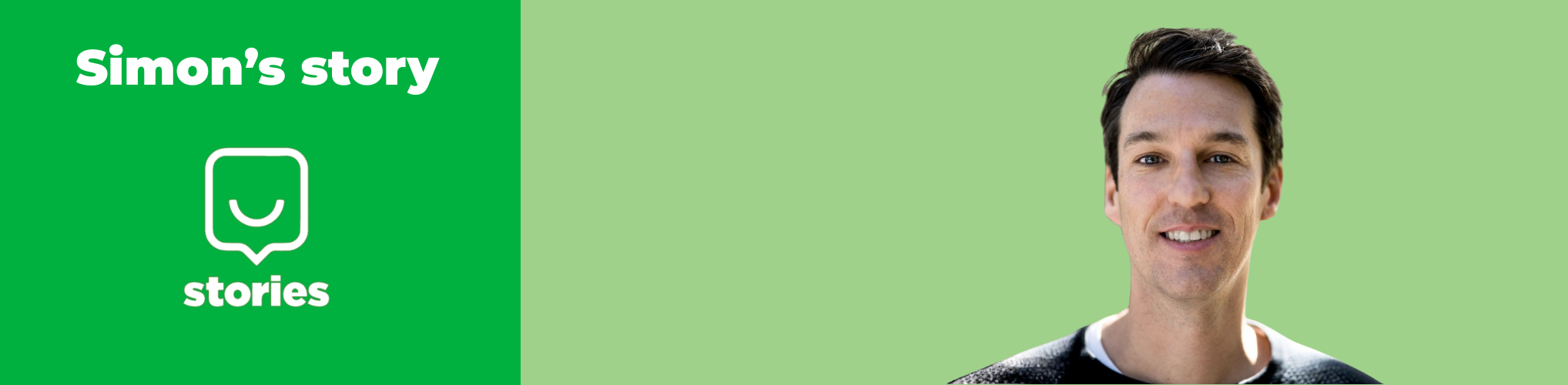
Editor, advocate and MHFAider
Simon B Wright is a Mental Health First Aider (MHFAider) who spends his days shaping other people’s stories. As a successful screen editor, he has worked on series like Love on the Spectrum and Employable Me, helping bring neurodiverse experiences and lived experience into the mainstream.
Behind the scenes, Simon is also telling a story of his own – one about mental health, advocacy, and his passion for creating safer spaces for both people in the screen industry and neurodivergent people.
Learning about his neurodivergence
“At school I was a bit of a misfit,” Simon explains. “I struggled to pay attention in class, so I hung out in the art room because it felt like a safe space.”
At 18, he was diagnosed with bipolar disorder. “This was 1993, and people didn’t talk about mental health much back then,” says Simon, who later learnt he was also autistic.
These early experiences shaped both his career and his advocacy. Working on Love on the Spectrum – a docuseries following young people with autism navigating dating – and Employable Me – focused on people with autism navigating employment, gave Simon insight into the experiences of neurodivergent people.
“Working on those projects really educated me,” he says. “The experiences helped me learn more about myself.”
Becoming a parent added another layer of understanding. “My kids have learnt about mental health from primary school. For them, it’s just another conversation.”
Why Simon became a Mental Health First Aider
Working in the screen industry can mean long hours, tight deadlines, remote work, and often a sense of isolation. Many editors are freelancers – which can make it hard to speak up about stress, burnout or poor conditions.
“Editors are isolated people. Overworking and burnout are real. Freelancers often don’t express vulnerability because they’re afraid of losing employment.”
Simon decided to complete an MHFA course to strengthen peer support within his editing community. Now, he’s part of a network that offers confidential support, resources, and connection for editors across Australia.
“People ring up because they’re feeling isolated or alone. They just want to connect. Sometimes they just need someone to listen.”
Applying mental health first aid skills when it mattered most
Shortly after becoming an MHFAider, Simon found himself supporting someone close to him through a significant mental health problem.
“I was pretty nervous. I would have preferred a slower ‘in’, but I was thrown into a situation. It was like, okay – we need to look for a GP fast.”
Despite the pressure, his training anchored him.
“It all kind of popped up for me. You stop, think, and remember – you’re there to support, listen, and help them get care – professional or otherwise. You’re not asked to do more than that.”
Championing safer, more inclusive industry practices
Simon’s lived experience drives his advocacy for more accessible, respectful and neuro-affirming workplaces. He sees the obstacles that neurodivergent people face every day.
“Think about the obstacles people with neurodivergence face – stigma, ableism. Some people don’t disclose. Some may not even know masking is a thing. Learning about the neurodivergent brain is really helpful.”
To support neurodivergent people, Simon encourages workplaces and MHFAiders alike to:
-
-
- allow more time, space and sensory flexibility
- be mindful of environmental factors such as noise, lighting or overstimulation
- avoid unwanted touch
- listen actively
- validate experiences
- lead with kindness and openness.
-
“Being vulnerable yourself can also help. If I share a story about myself or show an act of kindness, it creates trust.”
He also urges workplaces to take action, not just rely on individuals. “Advocate for change. Some may not be aware of what neurodivergent people need. Practical accommodations are simple ways to start now, and policy change long term is important.”
Building connection in a remote and freelance world
Remote and hybrid work have amplified loneliness for many editors. Through his mental health first aid skills, industry leadership and lived experience, Simon is helping ensure editors across Australia feel less alone, more connected, and more empowered to seek support.
Reflecting on what it means to be an MHFAider, Simon keeps it simple. “You’re there to support people, listen, and guide them to help. That’s what being a Mental Health First Aider is about.”

Have a Story to share?
Simply fill out the form below to share your details and our team will get in touch with you to discuss next steps.
Read Other Stories
Explore our other stories below or go back to the MHFA Stories page.
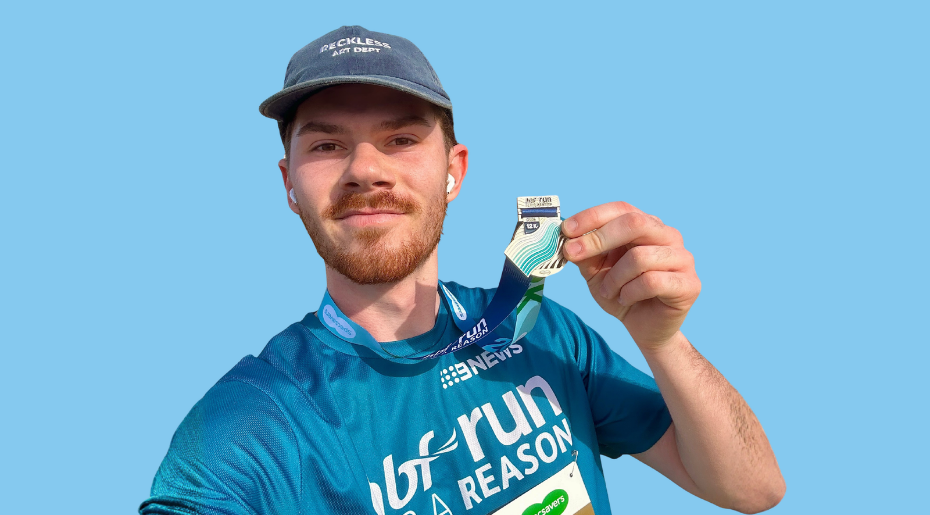
Will’s story
When Will began working in the art department in the film and TV industry, he expected long days, tight deadlines and plenty of problem solving. What he didn’t expect was how quickly he’d need the confidence to support a colleague experiencing a mental health crisis.
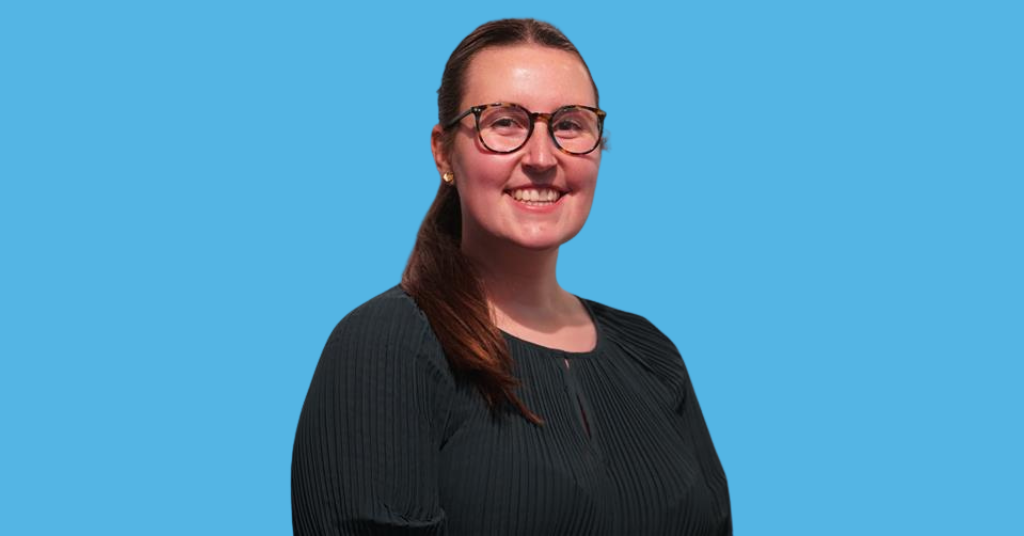
Gabby’s Story
Gabby’s story is a reminder that while tertiary education can be challenging, it’s also a place where young people can thrive with the right support.
Whether you’re walking alongside peers or guiding as a mentor, teacher, or family member, small acts of empathy, understanding, and encouragement can help make every conversation matter – and every student feel they belong.
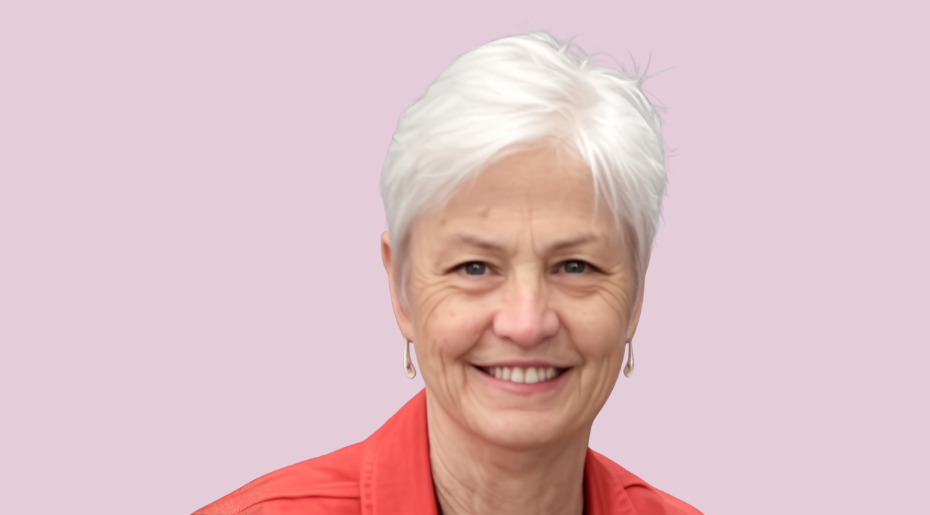
Jenny’s story
For over 21 years, Jenny has been delivering Mental Health First Aid training to communities and workplaces across Australia. This dedication was recognised at the National MHFA Instructor Summit Awards for the longest standing instructor. To this day, Jenny continues to see impact in action: when people are given the right tools, compassion grows, stigma reduces, and communities become stronger.
Learn about our training
Explore our range of course options to find the Mental Health First Aid training that’s right for you.