

A movement that grows through care and capability
Donal Scanlan, Head of Mental Health First Aid (MHFA) Ireland, reflects on moving from delivering training to building capability, and on what it takes for a global movement to grow. This article is based on his keynote, “One Movement. Many Voices”, delivered at the National MHFA Summit in September in Australia.
Ask most people what it means to be part of a movement, and they will describe something big – a cause, a campaign, a shared vision.
Donal Scanlan, Head of MHFA Ireland, offers a smaller, more human starting point instead: “A movement becomes powerful when it stops being something you deliver to people, and becomes something people begin to own.”
It is a quiet claim from someone who introduces himself, before any title, as a husband, father, son and neighbour – and a clinical nurse. In those roles, he has seen firsthand the weight that mental distress can place on individuals, on families, and on communities.
It is these experiences that Donal carries into his work, and that bring him back to one simple question: what if the people around someone who is struggling were better prepared? Not trained as professionals, not expected to fix anything, but ready to recognise, to respond, and to know the limits of what they could do.
“What if,” he poses, “caring could be matched with capability?”
From delivering training to building capability
That question has shaped how Donal sees the growth of Mental Health First Aid, and where the impact really sits – particularly when looking at training versus capability building. “Training changes the person sitting in the room,” he says. “Capability starts to change the environment around them.”
Under his leadership, MHFA Ireland has grown into places that would once have seemed unlikely – almost one in three people in the Irish police service have now completed the course. For Donal, that’s a clear example of a shift away from just training. “That’s organisational capability.”
The team at MHFA Ireland have trained 35,626 people since their program launched in 2017. It has moved into health services, child protection, sport, workplaces, and communities where conversations about mental health have not always come easily, including Ireland’s Traveller community.
The impact of this training grows, Donal says, because capability built through MHFA training rarely stays where it is taught. People carry it home, into friendships, into the ordinary moments in their week. “You train one person, but it’s not really just one person,” he says. “You’re bringing a new capability into their whole environment.”
An idea that travels
Donal describes watching MHFA scale beyond Ireland, through work with European institutions including the European Parliament, Commission and Council – and most recently at the National MHFA Summit in Australia. Systems and languages change, but the human moments and connection at the heart of MHFA remain the same.
Somebody notices a colleague isn’t themselves and decides to ask if they’re okay. That moment, he says, can and does happen anywhere – Dublin, Melbourne, Chennai, Kyiv, Ulaanbaatar, Toronto.
Every place MHFA exists brings with it its own culture and challenges. “One movement does not mean one voice,” he reflects. “It means many voices connected by one purpose.” For Donal, the risk, as the movement grows, is that success turns into separate “islands” – that organisations deliver their programs in isolation.
He says that what we need to do is to keep learning from each other, and to work alongside workplaces, schools, health services and community groups until mental health capability is embedded into the whole of society.
Donal quotes an Irish phrase: “Ní neart go cur le chéile”, meaning “there is no strength without unity” – words that ring true for both the global MHFA movement and every community within it.
A story that stays with him
Donal returns to a story of a mother who, after finishing an MHFA course, told him that she noticed something unfamiliar in her daughter’s face at the dinner table that same evening. A week earlier, she shared, she would not have known how to ask the question she asked that night. But she asked anyway.
“That mother told me something I’ll never forget,” Donal reflects. “That without the course, she didn’t believe her daughter would be here today.”
That’s what’s possible when caring is met with capability. It prepares everyday people to be ready when it matters in moments like these – around dinner tables, in quiet conversations in offices, or in phone calls to friends who really needed to hear from someone.
How a movement grows
Almost 10 million MHFAiders and 60,000 instructors carry these moments forward every day in homes, schools, workplaces and communities in more than 50 countries.
“Wherever we come from, whatever language we speak, whatever system we work in – when someone starts to struggle, let’s keep answering the same human question: ‘What can I do?’”
“That’s how capability spreads. That’s how lives are touched. That’s how communities change. And that’s how a movement grows.”
Be part of the movement this World MHFA Day
Every person trained in MHFA across the globe carries capability into their home, workplace and community. That is how a movement grows. This World MHFA Day, join the movement and help more people be ready when it matters.
Read Other Stories
Explore our other stories below or go back to the MHFA Stories page.
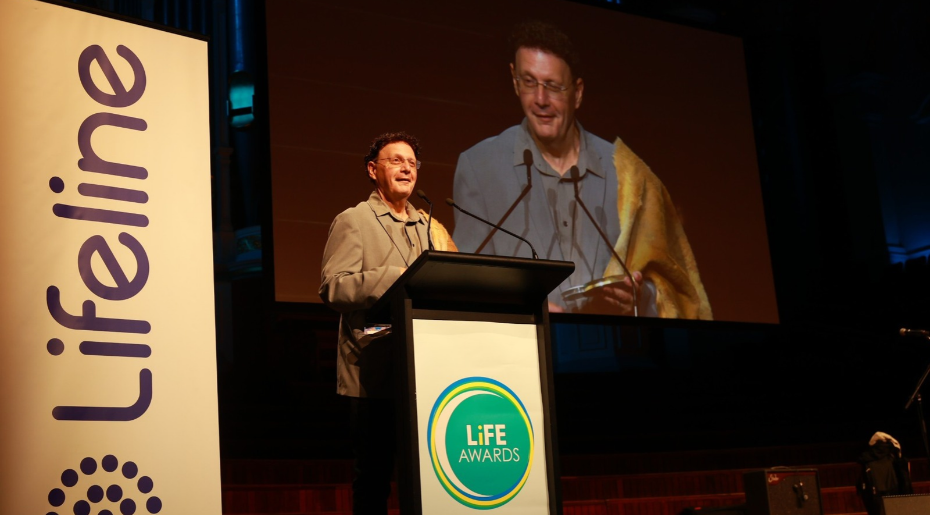
AJ’s story
For AJ, being an Aboriginal and Torres Strait Islander MHFA Instructor is about far more than delivering training. It’s about helping people feel safe enough to engage with difficult conversations and understand mental health in ways that feel relevant and meaningful to them and their communities.
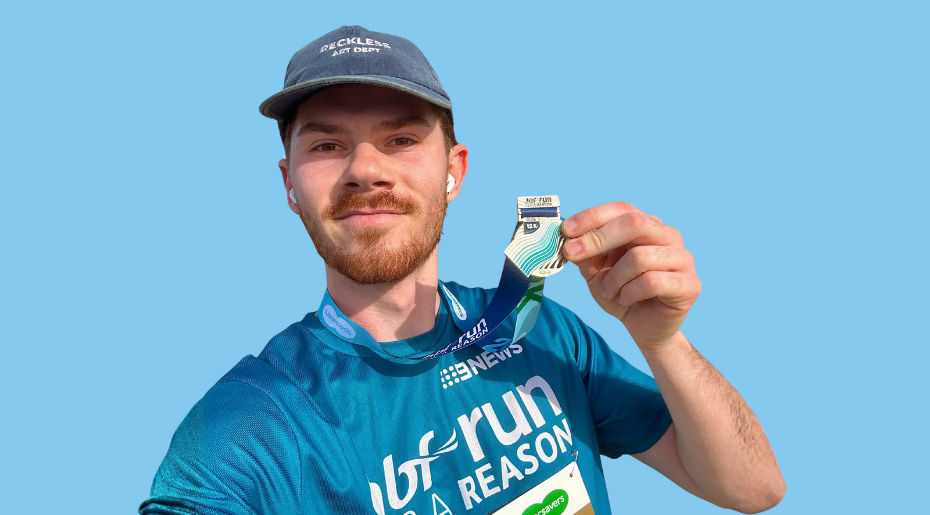
Will’s story
When Will began working in the art department in the film and TV industry, he expected long days, tight deadlines and plenty of problem solving. What he didn’t expect was how quickly he’d need the confidence to support a colleague experiencing a mental health crisis.
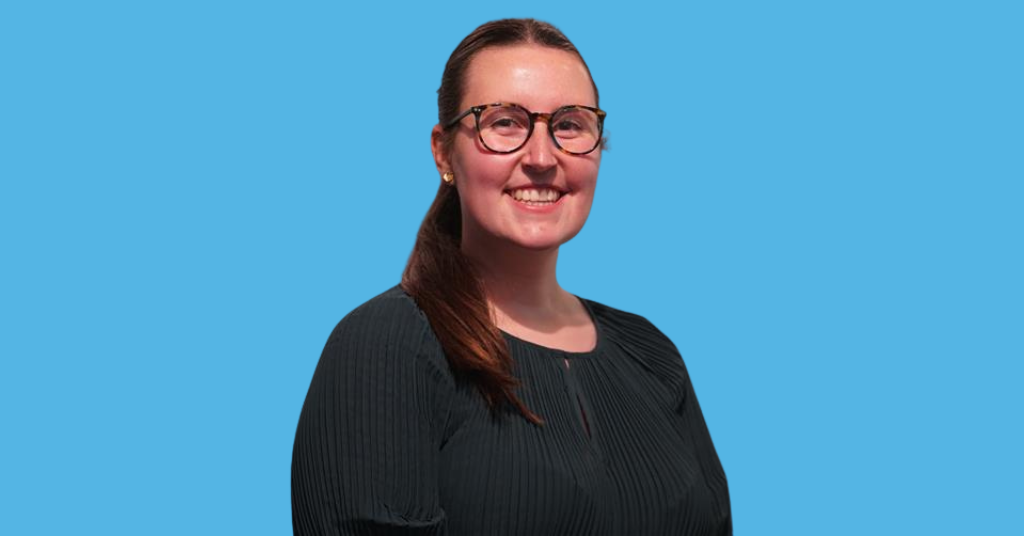
Gabby’s Story
Gabby’s story is a reminder that while tertiary education can be challenging, it’s also a place where young people can thrive with the right support.
Whether you’re walking alongside peers or guiding as a mentor, teacher, or family member, small acts of empathy, understanding, and encouragement can help make every conversation matter – and every student feel they belong.
Learn about our training
Explore our range of course options to find the Mental Health First Aid training that’s right for you.